Last updated: 16 October 2026. This is a guide to what to check in a policy, not financial advice. We are not licensed insurance advisers, and policy terms vary by insurer, country of residence and age.
Some links on this page are affiliate links. If you book through them, IslaVisit earns a commission at no extra cost to you. How this works.
Quick answer: the risk that should shape your policy in the Philippines is not a stolen phone. It is getting hurt somewhere a long way from a hospital. Medical evacuation is the benefit that matters most here, and the four things that most often void a claim are scuba diving, motorbikes, named storms bought too late, and remote-island transport. Check those four specifically rather than comparing headline prices.
Why the Philippines is different from a city break
Most travel insurance is designed around a trip where the worst case is a hospital thirty minutes away. A Philippines itinerary does not look like that.
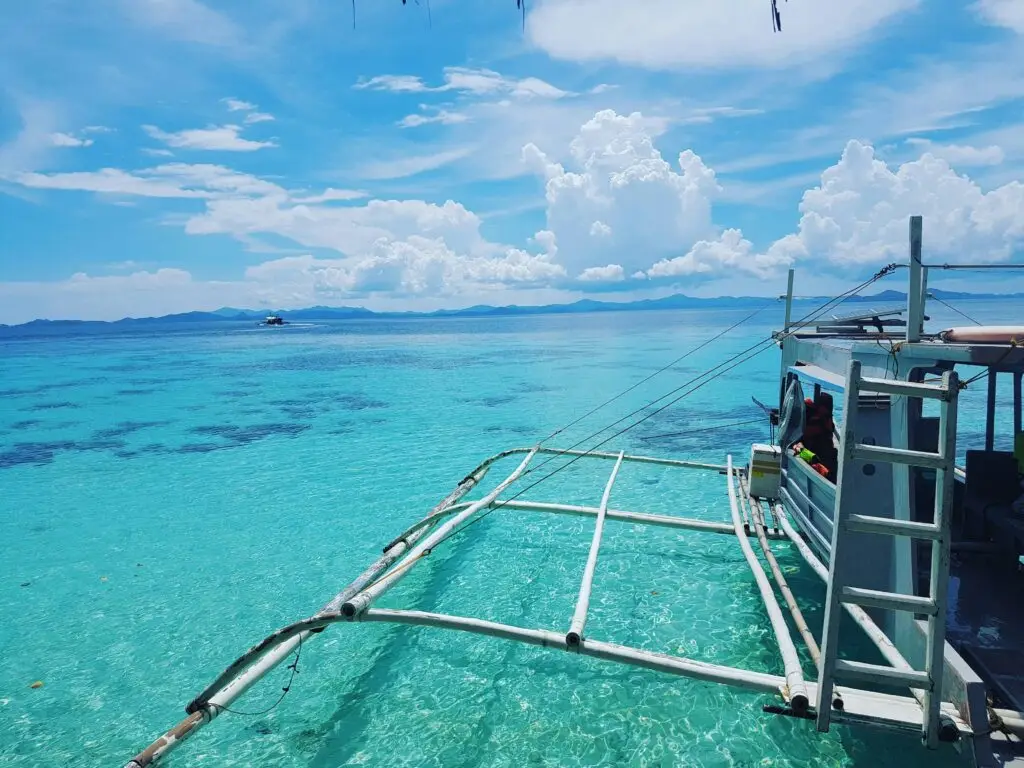
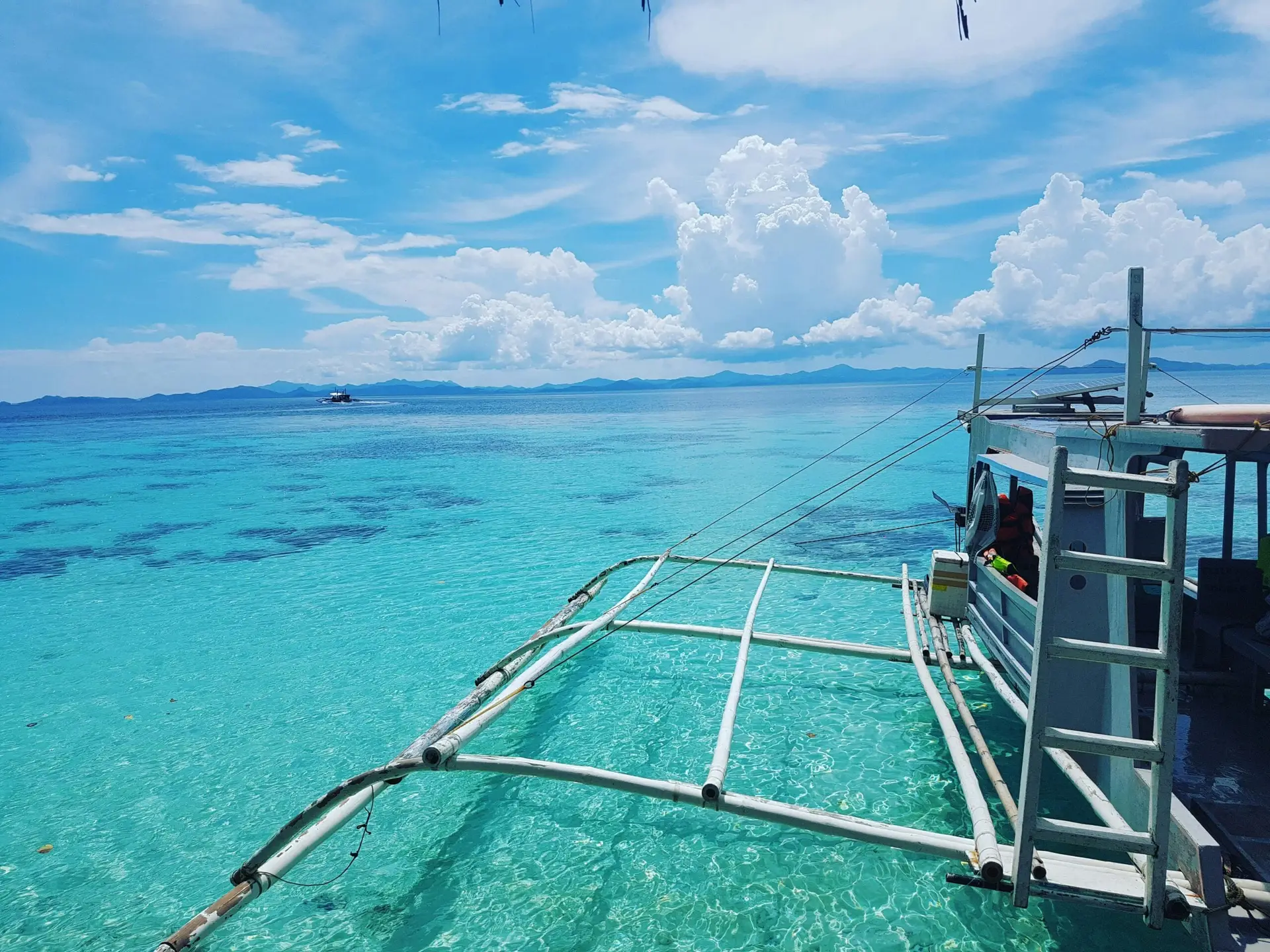
You will spend whole days on boats out of phone signal. You will be on islands where the clinic is small and the nearest serious hospital is a ferry and a drive away. Manila and Cebu have modern private hospitals; remote islands and rural provinces do not, and the gap between those two realities is where the money is.
That is why emergency medical evacuation is the single most important line in the policy, not the trip cancellation figure people usually compare. Getting someone from a small island to a capable hospital can involve a boat, a road transfer and sometimes an air ambulance, and the cost of arranging that privately is the sort of number that ends holidays permanently.
The four gaps that actually bite here
1. Scuba diving, and the chamber specifically
This is the big one, because Philippine trips so often include diving and because the coverage question has a trapdoor in it.
Many standard policies exclude scuba diving outright or class it as a high-risk activity requiring an add-on. Worse, a policy that says it covers diving does not necessarily cover recompression chamber treatment, which is the specific and expensive thing a diving injury needs. Depth limits and certification conditions are also common: cover may apply only within recreational limits and only when you are diving to your certification level with a qualified guide.
Geography sharpens this. In the central Visayas, the recompression chamber sits at the TIEZA office building in Mandaue, Cebu. Dive operators in Moalboal describe that as roughly three to four hours away from them. If you are diving somewhere more remote, the distance to a chamber is longer again. The Department of Tourism announced a new chamber for Malapascua in 2025, so check whether it is operating before you count on it.
This is why diver-specific cover from organisations such as Divers Alert Network or DiveAssure exists alongside ordinary travel insurance rather than instead of it. Liveaboards commonly require dive insurance as a condition of boarding. If your trip includes the Coron wrecks, Malapascua or a liveaboard, treat diving cover as a separate decision from your travel policy.
2. Motorbikes and scooters
Renting a scooter is normal here and it is one of the most common ways travellers get hurt. It is also one of the most common reasons a medical claim gets refused.
Policies that cover motorbike use typically attach conditions: a valid licence for that engine class recognised in the Philippines, a helmet worn, and sometimes an engine size cap. Riding without the right licence can invalidate cover even if the accident was not your fault. If you plan to rent anything with an engine, read that clause before you book, not after.
3. Typhoons and named storms
Weather disruption is a normal part of travel here between roughly June and November, and sometimes outside it. Ferries get cancelled, small aircraft get grounded, and tours get called off.
The thing to understand is timing. Cover for a specific storm generally has to be in place before that storm is named. Once a system is identified and tracked, it usually becomes a known event and is excluded from policies bought afterwards. Buying insurance when you book, rather than the week before you fly, is the practical answer.
Check also whether the policy pays for the consequences rather than just the cancelled item: an extra two nights of accommodation and a rebooked domestic flight is the realistic claim, not a refunded ferry ticket.
4. Remote transport and small boats
Island hopping means bangkas, outriggers and small vessels that are not scheduled public transport. Some policies handle this without comment and some have exclusions around unlicensed or non-commercial watercraft. If your itinerary is built around boats, which in Palawan it will be, confirm that marine incidents and evacuation by sea are covered.
What to actually check, in order
Rather than comparing premiums first, work down this list. It is the order in which things go wrong.
| Check | Why it matters here |
|---|---|
| Emergency medical evacuation limit | The defining Philippines risk. Getting off a remote island to a capable hospital is the expensive scenario. |
| Overall medical limit | Private hospital care in Manila or Cebu is good and is billed accordingly. Complex cases may mean transfer abroad. |
| Repatriation | Separate from evacuation, and frequently capped separately. |
| Adventure activity schedule | Diving, canyoneering, ziplining, trekking and surfing are often excluded from base policies. Check the named list. |
| Recompression chamber treatment | Named explicitly, or assume it is not covered. |
| Motorbike clause | Licence class, helmet and engine size conditions. |
| Weather and named-storm timing | Buy at booking, not at departure. |
| Tropical illness cover | Dengue is present year-round in the Philippines. Some policies handle vector-borne illness in the fine print. |
| 24-hour assistance line | Someone who will coordinate a boat, a hospital and a chamber at 3am is the product you are actually buying. |
| Pre-existing conditions | Declare them. An undeclared condition is the fastest route to a refused claim. |
Buy it when you book, not when you pack
Two benefits only work if the policy predates the problem: cancellation cover, which is worthless once you already have a reason to cancel, and storm cover, which generally will not apply to a system that already has a name. Comparing quotes takes a few minutes and the price difference between buying in March and buying in October is usually nothing, while the coverage difference can be everything.
Compare travel insurance quotes on EKTA
IslaVisit earns a commission if you buy through this link. It costs you nothing extra, and it does not change what we recommend. Always read the policy wording yourself before purchasing.
Match the policy to your itinerary
| If your trip is | Pay attention to |
|---|---|
| Beaches, towns, a few island-hopping days | Medical and evacuation limits, small-boat cover, weather disruption |
| Diving in Coron, Moalboal or Malapascua | Diving as a named covered activity, chamber treatment, depth and certification conditions. Consider separate dive cover. |
| Canyoneering, trekking, ziplining | The adventure activity schedule. Kawasan canyoneering involves cliff jumps and is not a beach activity. |
| Scooter-based island travel | The motorbike clause, licence class and helmet conditions |
| Wet-season travel, June to November | Trip delay and missed-connection cover, and buying early |
| A long trip, or working remotely | Trip-length caps, which are often shorter than people assume |
Making a claim easier before anything happens
- Photograph your policy, passport and any prescriptions, and store them somewhere you can reach without your phone’s home network.
- Save the 24-hour assistance number offline. You will need it exactly when you have no signal and no plan.
- Call the assistance line before treatment wherever possible. Many policies require authorisation for anything significant.
- Keep every receipt, including boat and transfer costs incurred because of a delay.
- Get a police report for theft, usually required and usually within a set time limit.
- Get everything in writing from the airline or ferry operator when something is cancelled.
Is travel insurance required to enter the Philippines?
Entry requirements are set by the Philippine authorities and do change, so confirm the current rules through official channels before you travel rather than relying on any travel site, including this one. Our planning checklist covers the documentation side of a trip.
The more useful question is not whether it is required but whether you would be able to fund an air ambulance out of pocket. For most people the answer settles the matter.
Plan the rest of your trip
- Philippines travel planning checklist, everything to sort before you fly
- Philippines travel budget, what a trip actually costs
- Philippines eSIM guide, because an assistance line is useless without signal
- Best time to visit the Philippines, and when disruption risk is highest
- Coron wreck diving, if diving cover is part of your decision
Common questions
Do I need travel insurance for the Philippines?
It is not the legal question that matters so much as the practical one. Medical care on remote islands is limited, and moving a patient to a capable hospital can be genuinely expensive. Evacuation cover is the reason most travellers here carry a policy.
Does travel insurance cover scuba diving in the Philippines?
Often not by default. Diving is commonly excluded or treated as a high-risk activity needing an add-on, and even policies that cover diving may not cover recompression chamber treatment. Check that the chamber is named, along with any depth and certification conditions.
Does travel insurance cover typhoons?
Usually yes, provided the policy was bought before the storm was named. Once a system is identified it generally becomes a known event and is excluded from policies purchased afterwards. Buy when you book.
Am I covered if I rent a scooter?
Only if the policy says so and you meet its conditions, which typically include a valid licence for that engine class and wearing a helmet. This is one of the most common reasons claims are refused in Southeast Asia.
How much medical cover should I have?
There is no single right answer and it depends on your residence, age and itinerary. What is worth doing is looking at the evacuation limit separately from the medical limit, since in the Philippines it is often the evacuation that drives the cost.
When should I buy it?
When you book the trip. Cancellation cover and storm cover both depend on the policy predating the event.
Sources we checked
Sources we checked: the Cebu recompression chamber’s location at the TIEZA office building in Mandaue is listed by Dive Philippines, and its distance from Moalboal is as described by dive operators there. The planned Malapascua chamber was reported by The Freeman in February 2025. The distinction between general travel insurance and diver-specific cover, including chamber treatment and evacuation from remote dive sites, is consistent across diving industry and insurance-comparison sources. Common exclusions for adventure activities, motorbike use and named storms are standard features of policy wording rather than the position of any one insurer. We are not licensed insurance advisers. Policy terms differ by insurer, country of residence, age and itinerary, and nothing here is a recommendation to buy a particular product. Read the actual policy wording, and check entry requirements through official Philippine government channels.