Last updated: 6 August 2026. Prices checked against current operator and accommodation listings; exchange rates and fares move, so confirm before booking.
Some links on this page are affiliate links. If you book through them, IslaVisit earns a commission at no extra cost to you. How this works.
Planning a Philippines travel budget? Most travelers can plan on $60 to $120 per day for a mid-range trip, or $25 to $45 a day backpacking, before international flights. However, what throws that number off isn’t hotels or food. It’s inter-island transport. A trip that stays on one island can run 30-40% cheaper than one that hops between Palawan, Cebu, and Siargao, because domestic flights, ferries, and terminal fees sit outside your normal daily spend. As a result, this guide breaks your Philippines travel budget down by travel style, separates island-hopping transport from daily living costs, and gives you real 7, 10, and 14-day sample budgets so you can plan a number you can actually trust.
Table of contents
- Quick answer: Philippines daily budget by travel style
- Is the Philippines cheap to travel?
- Accommodation costs in the Philippines
- Food and drink costs
- Transportation costs
- Tours and activities costs
- Costs travelers overlook
- Sample Philippines trip budgets
- How to build your own budget
- Money-saving tips that actually work
- Frequently asked questions
Quick answer: Philippines daily budget by travel style
These are on-the-ground daily costs, excluding international flights and inter-island transport (covered separately below, since they vary so much by route).
| Travel style | Daily budget (USD) | Daily budget (PHP, approx.) | What’s included |
|---|---|---|---|
| Backpacker / budget | $25-45 | PHP 1,400-2,600 | Dorm or basic private room, local food, jeepney/tricycle, occasional paid activity |
| Mid-range | $60-120 | PHP 3,500-6,900 | Private aircon room, mix of local and tourist-area restaurants, Grab/private transfers, 1 paid tour every few days |
| Comfort / luxury | $150-250+ | PHP 8,700-14,500+ | Resort or boutique hotel, sit-down dining, private drivers, daily tours or activities |
Not included in any of these daily rates: international flights, domestic flights and ferries between islands, travel insurance, eSIM/data, visa or entry fees, and one-off costs like diving certification. These are covered in their own sections below so you don’t underestimate your total trip cost.
Is the Philippines cheap to travel?
Yes, relative to the US, UK, Australia, and most of Western Europe, the Philippines is inexpensive. Compared to neighboring Southeast Asian countries, it sits in a similar range to Thailand and Vietnam for food and accommodation, but often costs more for getting around, since the country is an archipelago and many popular destinations require a flight or ferry rather than a bus or train.
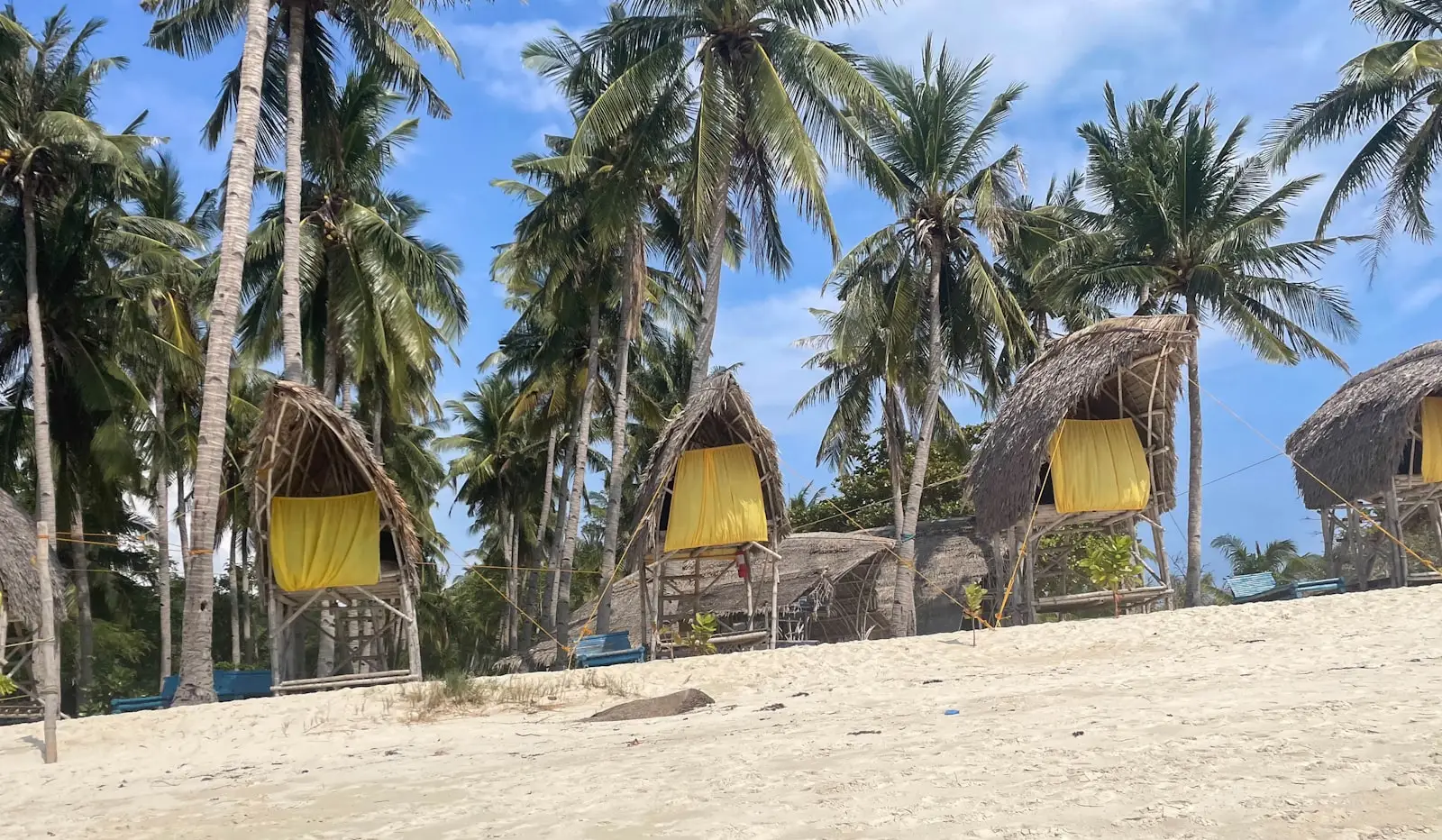
The country’s affordability also depends heavily on where you go. Manila, Cebu City, and inland destinations are noticeably cheaper day to day than well-known island destinations like Boracay, El Nido, and Siargao, where accommodation and food carry a tourism premium.
What makes Philippine travel costs harder to predict
- Archipelago geography. Getting from one island to another usually means a flight, ferry, or both, and these costs sit outside a normal “daily budget.”
- Destination-based pricing. The same hotel standard costs more in El Nido or Boracay than in Cebu or Bohol.
- Peak season swings. Flights and popular hotels can cost noticeably more from December through April.
- Cash-based local economy. Tricycles, small restaurants, and some ferry terminals are cash-only, so ATM access and fees matter more than in a card-first destination.
Accommodation costs in the Philippines
Accommodation is one of the biggest swing factors in your daily budget, and prices vary significantly by destination as well as by style.
| Accommodation type | Price per night (USD) | Typical for |
|---|---|---|
| Hostel dorm bed | $7-16 | Backpackers, solo travelers |
| Budget private room | $15-30 | Couples and solo travelers wanting privacy |
| Mid-range hotel | $35-70 | Most mid-range travelers |
| Boutique hotel / resort | $80-180 | Comfort travelers, honeymooners |
| High-end resort | $200+ | Luxury travel |
Why the same hotel type costs more in some destinations
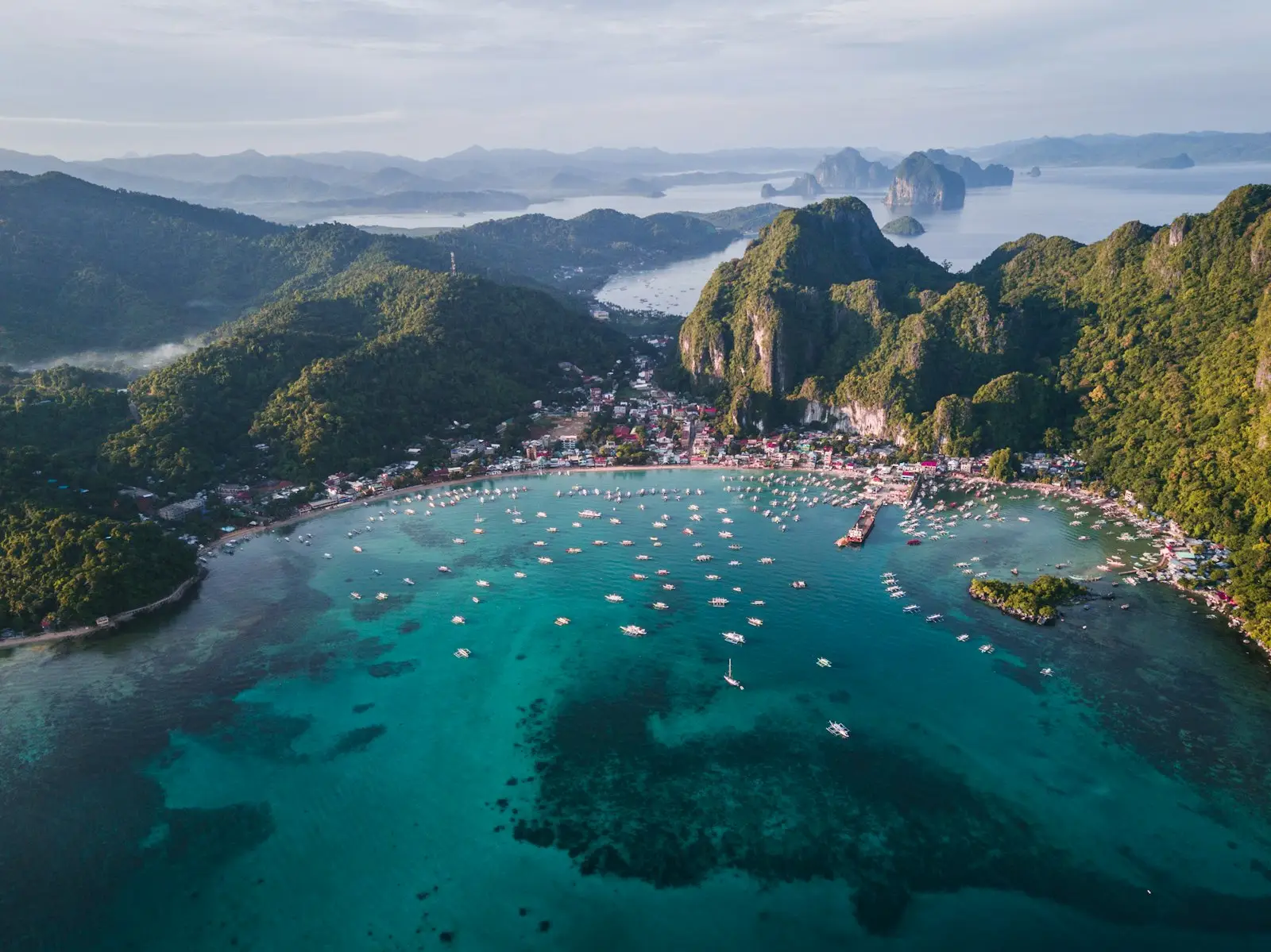
El Nido, Boracay, and Siargao command higher prices than Cebu, Bohol, or Manila for a comparable room, since demand is concentrated in a small area with limited land for development. If your budget is tight, consider spending fewer nights in these higher-cost destinations and more nights in lower-cost hubs nearby. For a full breakdown of what to expect at each price tier in one of the Philippines’ most popular island destinations, see our guide to the best hotels in El Nido for every budget.
Compare hotels by destination
Since accommodation cost varies so much by island, compare current rates for your specific dates before finalizing your itinerary. Our hotel guides compare areas and specific properties:
Food and drink costs
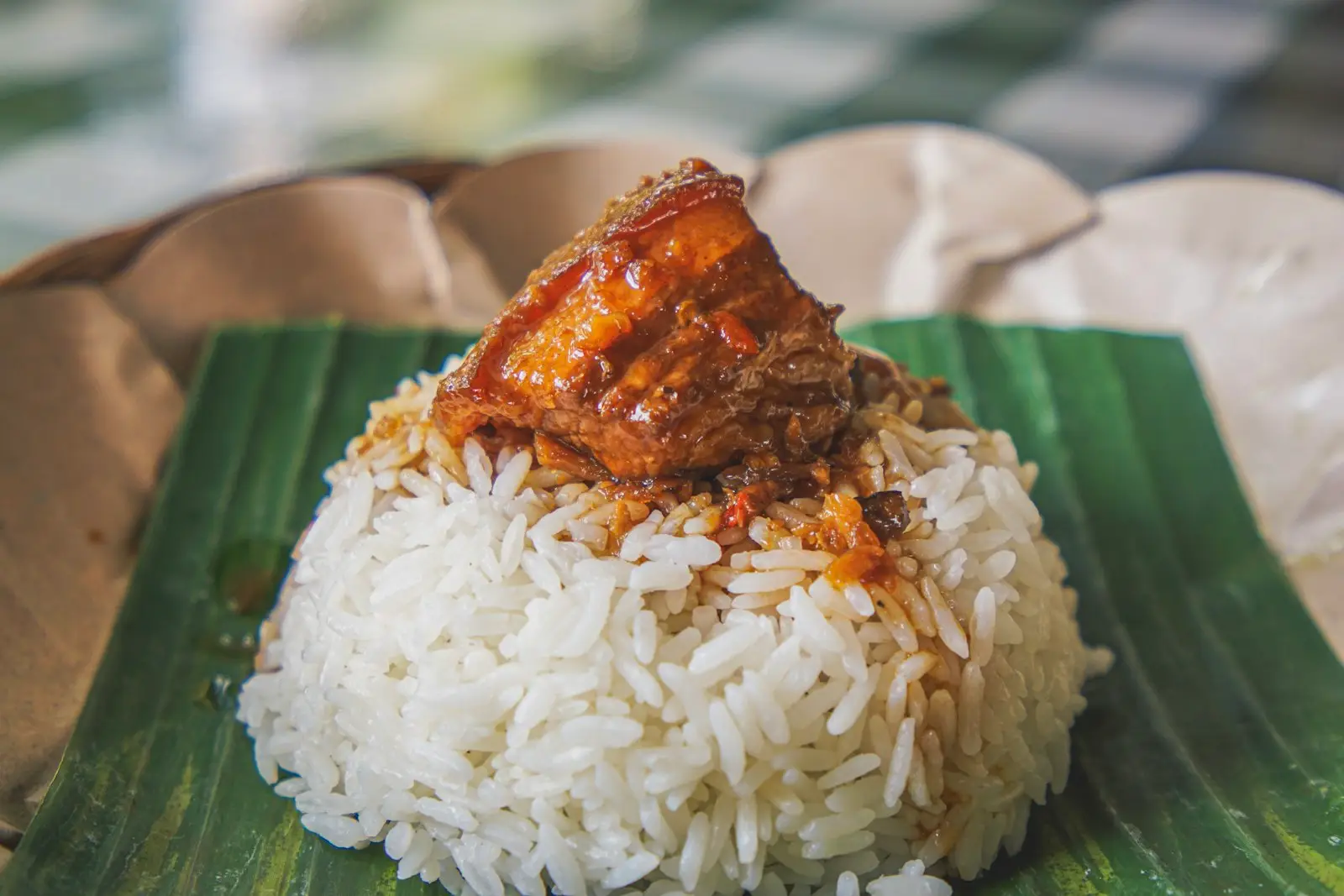
Food is one of the more affordable parts of a Philippines trip, especially if you eat where locals eat.
| Meal type | Cost (USD) |
|---|---|
| Carinderia / local eatery meal | $1.50-3.50 |
| Street food snack | $0.50-1.50 |
| Mid-range restaurant meal | $4-9 |
| Tourist-area / resort restaurant meal | $8-20 |
| Local beer | $1-2.50 |
| Bottled water (500ml) | $0.30-0.60 |
A realistic daily food budget is roughly $8-15 for mostly local eating, or $20-40 if you eat mainly in restaurants aimed at tourists. Grocery stores and convenience chains (7-Eleven, Ministop) are useful for cheap snacks and bottled water between meals.
Transportation costs
Transport is where most Philippines budgets go wrong, because “local transport” and “inter-island transport” behave completely differently and need to be planned separately.
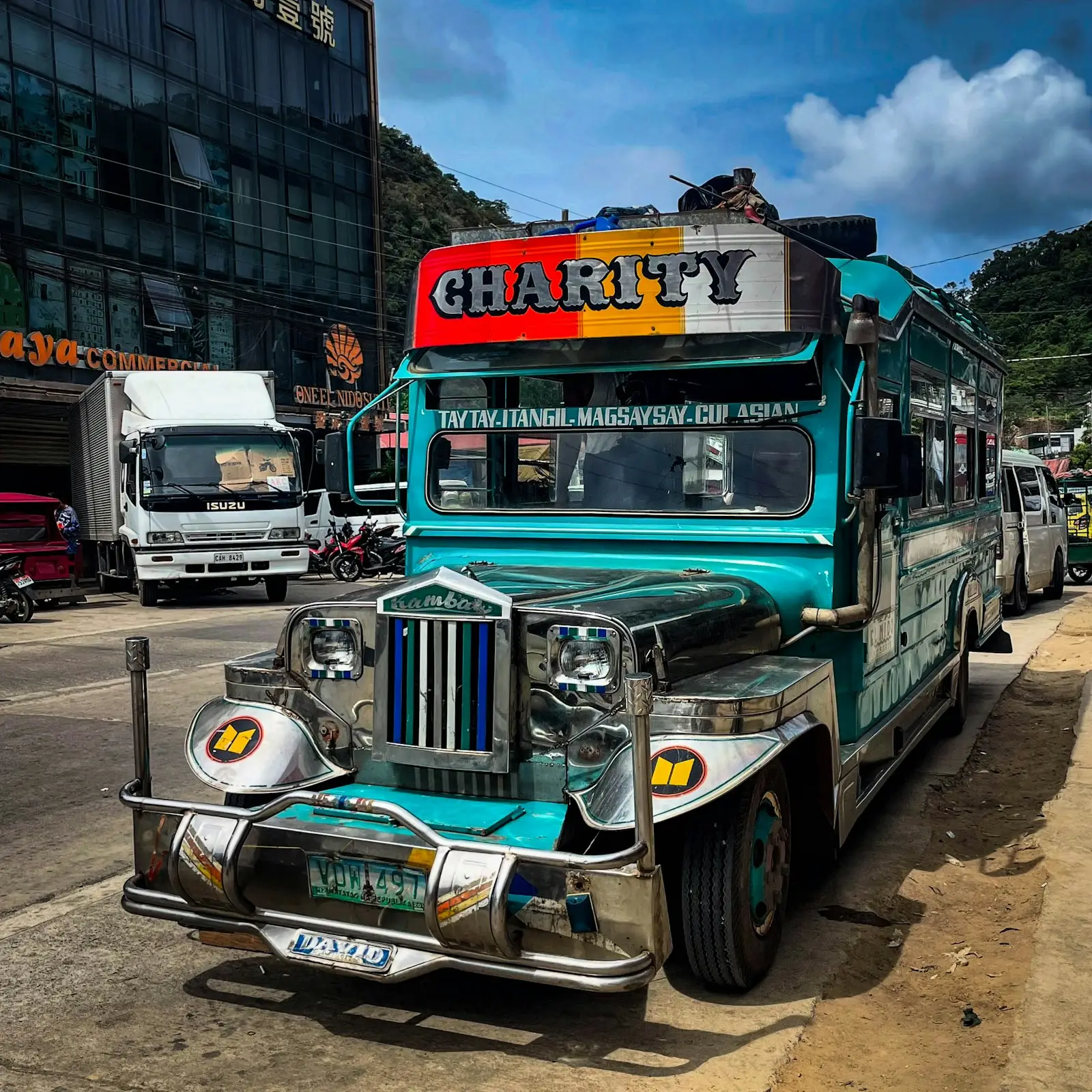
Local transport (jeepneys, tricycles, Grab)
| Mode | Typical cost | Best for |
|---|---|---|
| Jeepney | $0.20-0.40 per ride | Short local routes, very cheap |
| Tricycle | $0.50-2 per short trip | Door-to-door short distances |
| Grab (ride-hailing) | $2-8 depending on distance | Cities like Manila, Cebu, and Davao |
| Habal-habal (motorbike taxi) | $1-5 | Rural areas without Grab or tricycles |
Grab is not available everywhere, so in smaller towns and island destinations, tricycles and hotel-arranged transport are usually the default.
Domestic flights
Domestic flights typically run $18-120 one-way depending on route, airline, and how far ahead you book. Routes connecting Manila or Cebu to smaller destinations (Boracay/Caticlan, Coron, Siargao) tend to sit toward the middle or higher end of that range, especially in peak season. Booking 4 to 8 weeks ahead generally gets meaningfully better fares than booking within a week of travel.
Search current domestic flight fares
Fares change by season and by how far ahead you book, so check current prices for your exact route before locking in your itinerary.
Ferries and boat transfers
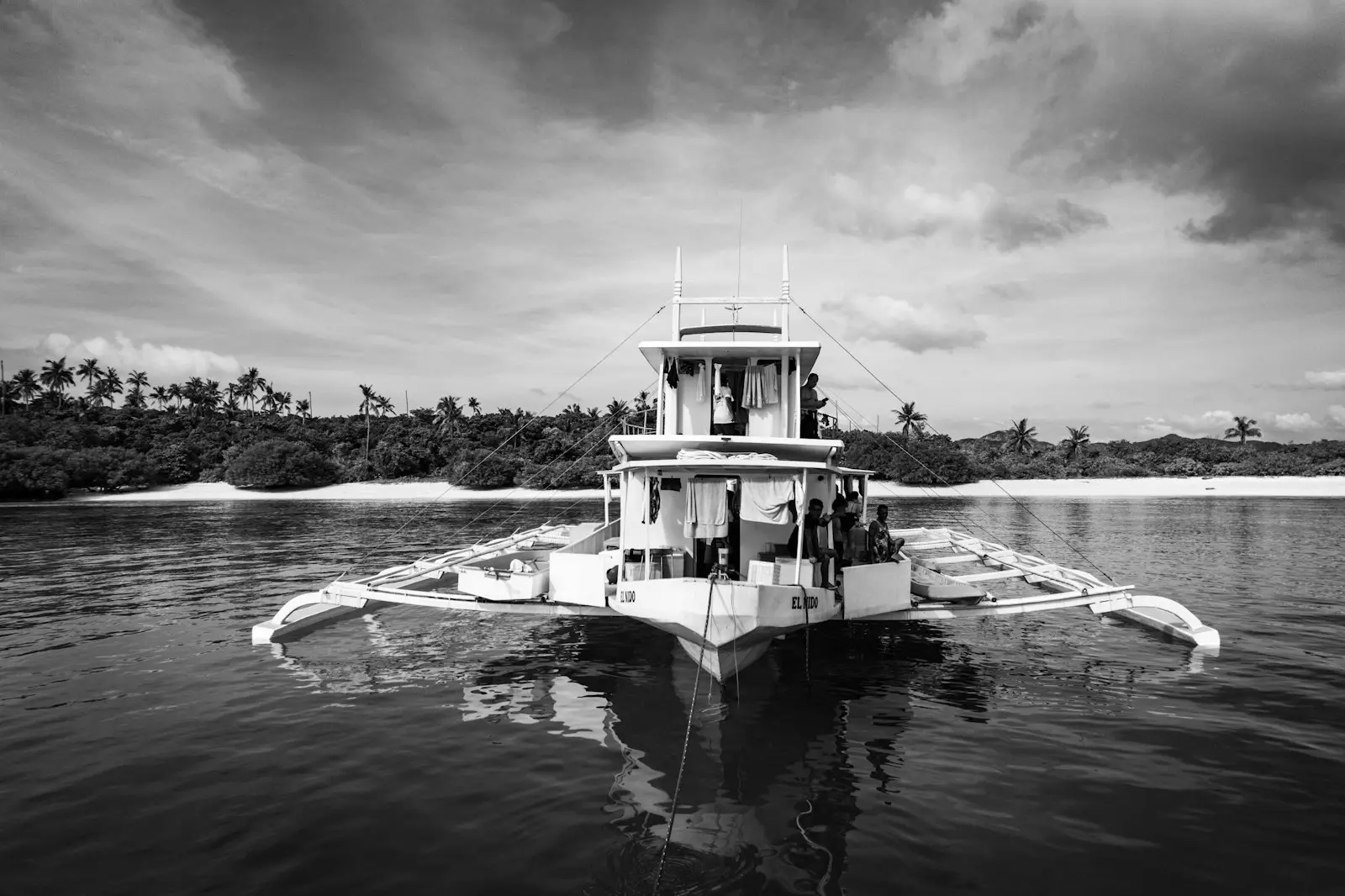
Short inter-island ferries generally cost $5-22, while longer or overnight routes can run $15-45. Ferries are usually cheaper than flying but take significantly longer, so the choice is often a genuine time-versus-money tradeoff rather than a clear “better” option.
| Route type | Price range (USD) | Notes |
|---|---|---|
| Domestic flight, one-way | $18-120 | Book 4-8 weeks ahead for better fares |
| Short ferry (under 2 hours) | $5-22 | Terminal fees usually charged separately |
| Long or overnight ferry | $15-45 | Cheaper than flying, much slower |
| Island-hopping day tour | $20-45 per person | Environmental fees often separate, see below |
Compare ferry routes and schedules
Check current schedules and fares for your specific inter-island route.
Airport transfers
Budget $8-25 for a private airport transfer depending on distance and destination, or use a metered taxi or Grab where available for less. In smaller airports like Puerto Princesa, Kalibo, or Sibuyan, pre-booked transfers are often the only reliable option late at night.
Book a pre-arranged airport transfer
Worth arranging ahead for late-night arrivals at smaller airports.
Tours and activities costs

| Activity | Typical cost (USD) |
|---|---|
| Island-hopping day tour | $20-45 per person |
| Canyoneering (e.g. Cebu) | $25-40 per person |
| Introductory scuba dive | $40-70 |
| Open Water diving certification | $300-450 |
| Whale shark / snorkeling tour | $25-50 per person |
| Waterfall or day trip tour | $15-35 per person |
Most island-hopping tours quote a base price that excludes environmental fees, equipment rental, and sometimes lunch, so ask what’s included before booking.
Compare island-hopping and activity prices before you arrive
Booking ahead can also secure a spot during peak season, when popular tours fill up.
Costs travelers overlook
SIM and eSIM data
A local eSIM for a one to two-week trip typically costs $5-15 depending on the amount of data and the provider. This is worth budgeting separately since it’s easy to forget when adding up “daily” costs.
Get a Philippines eSIM before you arrive
Setting up data before landing avoids inflated airport SIM prices and lets you use maps and ride apps from the moment you land.
Travel insurance
Travel insurance for a two-week Philippines trip typically runs $30-60 depending on your age, coverage level, and whether it includes adventure activities like diving. Given the inter-island travel and water-based activities common on most itineraries, it’s worth including as a fixed line item rather than an optional extra. Our travel insurance guide covers what to check in a policy before you buy.
Get a quote before you fly
Confirm your policy covers your planned activities, especially diving or motorbike riding, before you rely on it.
Environmental and terminal fees
Many destinations charge small fees that aren’t included in flight, ferry, or tour prices:
- Environmental fees in places like El Nido and Boracay: PHP 200-500 per destination
- Terminal or departure fees at airports and ferry ports: PHP 50-300 per departure
These add up over a multi-stop itinerary, so build a small buffer for them.
ATM fees and cash planning
Foreign card ATM withdrawals carry a surcharge from the bank that owns the machine, plus whatever your home bank charges. No Philippine bank publishes a foreign-card figure, and the PHP 250 repeated across travel sites is a reported number rather than a published rate. Since April 2021 the fee has been set by the ATM’s owner and must be shown on screen before you confirm, so read that prompt and cancel if you do not like the number. You can check current exchange rates on the Bangko Sentral ng Pilipinas site before you travel. In addition, withdrawing larger amounts less frequently reduces the total fee burden. Keep in mind that tricycles, small eateries, and many ferry terminals are cash-only.
International flights to the Philippines
International flight costs vary enormously by origin, season, and how far ahead you book, so treat any single number cautiously:
- From the US West Coast: typically higher-cost, long-haul with a stopover
- From the UK/Europe: typically long-haul with one or more stops
- From Australia: typically direct or one-stop, shorter flight time
- From within Asia: typically the most affordable and shortest options
Manila (NAIA) and Cebu (Mactan-Cebu) are the two main international gateways most travelers use.
Search international flights to Manila or Cebu
Compare fares by origin and date before you commit to your travel window.
Sample Philippines trip budgets
These totals are built from the per-category costs above rather than quoted separately, so they stay consistent with the rest of this guide. They assume a mid-range travel style, one destination change requiring a domestic flight or ferry, and exclude international flights. Actual costs depend heavily on your specific route, so use these as a planning framework rather than an exact quote.
7-day trip budget (mid-range, one destination)
| Category | Budget | Mid-range | Comfort |
|---|---|---|---|
| Accommodation (6 nights) | $90 | $300 | $780 |
| Food | $80 | $175 | $385 |
| Local transport | $25 | $55 | $140 |
| Domestic flight/ferry (round trip) | $55 | $110 | $190 |
| Activities | $45 | $95 | $180 |
| Fees, eSIM, insurance, misc. | $55 | $85 | $135 |
| Estimated total | $350 | $820 | $1,810 |
10-day trip budget (mid-range, two destinations)
| Category | Budget | Mid-range | Comfort |
|---|---|---|---|
| Accommodation (9 nights) | $135 | $450 | $1,170 |
| Food | $115 | $250 | $550 |
| Local transport | $35 | $80 | $200 |
| Domestic flights/ferries (2 legs) | $95 | $190 | $330 |
| Activities | $70 | $150 | $290 |
| Fees, eSIM, insurance, misc. | $60 | $95 | $150 |
| Estimated total | $510 | $1,215 | $2,690 |
14-day trip budget (mid-range, three destinations)
| Category | Budget | Mid-range | Comfort |
|---|---|---|---|
| Accommodation (13 nights) | $195 | $650 | $1,690 |
| Food | $160 | $350 | $770 |
| Local transport | $50 | $110 | $280 |
| Domestic flights/ferries (3 legs) | $140 | $280 | $480 |
| Activities | $110 | $230 | $430 |
| Fees, eSIM, insurance, misc. | $70 | $110 | $170 |
| Estimated total | $725 | $1,730 | $3,820 |
Sample route: 10 days, Manila, El Nido, Coron (mid-range)
ManilaDays 1-2Arrival, rest dayFlight + land transferEl NidoDays 3-6Transfer + island hoppingBoat transferCoronDays 7-9Island hopping, Kayangan LakeFlightManilaDay 10Departure
- Days 1-2: Manila, arrival and a rest day (transfer day, minimal activity spend)
- Day 3: Fly Manila to Puerto Princesa, transfer to El Nido by land (transfer day)
- Days 4-6: El Nido, island-hopping tours and town exploring (tour days, higher activity spend)
- Day 7: Boat transfer from El Nido to Coron (transfer day)
- Days 8-9: Coron, island-hopping and Kayangan Lake (tour days)
- Day 10: Fly Coron/Busuanga to Manila, departure
How to build your own budget: transfer days vs. tour days vs. rest days
A single “average daily cost” hides more than it reveals, because your spending on any given day depends heavily on what kind of day it is. A more accurate way to budget is to classify each day of your itinerary into one of three types:
| Day type | What it includes | Typical spend pattern |
|---|---|---|
| Transfer day | Flight, ferry, or long land transfer between destinations | Higher transport cost, lower food/activity spend, since much of the day is spent traveling |
| Tour day | Island-hopping, diving, canyoneering, or similar paid activity | Higher activity spend, moderate food cost, minimal local transport |
| Rest day | No major activity, exploring on foot, beach time | Lowest overall spend, mostly food and incidental local transport |
To build a realistic total: count how many of each day type your itinerary has, apply a rough per-type daily rate, add your inter-island transport costs as a separate lump sum, then add a buffer of 10 to 20% for fees, weather delays, and incidentals. How large that buffer needs to be depends heavily on when you travel — see how prices and cancellation risk shift month by month. This produces a far more accurate total than multiplying one flat daily number by your trip length, especially on itineraries with three or more destinations.
Money-saving tips that actually work in the Philippines
- Limit the number of destination changes. Every additional island adds a flight or ferry cost and often a transfer day with reduced sightseeing time.
- Book domestic flights 4 to 8 weeks ahead rather than within a week of travel, when fares typically rise.
- Eat where locals eat. Carinderias and local eateries cost a fraction of tourist-area restaurants for similar quality.
- Withdraw larger amounts less often to reduce the impact of per-transaction ATM fees.
- Travel just outside peak season (roughly December through April is peak) for lower flight and hotel prices, while still avoiding the wettest months.
- Confirm what’s included in tour prices before booking, since environmental fees, equipment, and lunch are often quoted separately.
- Buy a data eSIM before you arrive rather than relying on hotel wifi or paying inflated airport SIM prices.
Frequently asked questions
How much does a Philippines trip cost per day in 2026?
Plan on roughly $25-45 per day backpacking, $60-120 mid-range, or $150-250+ for a comfort-level trip, excluding international flights and inter-island transport.
How much money do I need for 2 weeks in the Philippines?
For a mid-range 14-day trip covering two to three destinations, budget roughly $1,600-2,600 excluding international flights, depending on how many domestic flights or ferries your route requires.
Is the Philippines cheap to travel?
Yes compared to the US, UK, Australia, and most of Europe. Compared to Thailand and Vietnam, food and accommodation are similarly priced, but getting between islands often costs more due to the country’s archipelago geography.
How much should I budget for domestic flights?
Typically $18-120 one-way depending on route and how far ahead you book. Booking 4 to 8 weeks in advance generally secures better fares than booking within a week of travel.
Are ferries cheaper than flying between islands?
Usually yes, but they take considerably longer. Short ferries run roughly $5-22, while longer or overnight routes run roughly $15-45, compared to $18-120 for a domestic flight.
How much cash should I bring to the Philippines?
Enough for daily incidentals, tricycles, and cash-only vendors, since ATM access can be limited on smaller islands. Withdraw larger amounts less frequently to minimize per-transaction ATM fees.
What hidden fees should I expect in the Philippines?
Environmental fees at destinations like El Nido and Boracay, terminal or departure fees at airports and ferry ports, and ATM withdrawal fees are the most commonly overlooked costs.
Is the Philippines cheaper than Thailand?
Food and accommodation are broadly comparable. The Philippines often costs more for getting around due to its archipelago geography, since many popular destinations require a domestic flight or ferry that Thailand’s more connected road and rail network doesn’t require.
How much does island hopping cost?
A typical island-hopping day tour costs roughly $20-45 per person, though environmental fees, equipment rental, and lunch are sometimes charged separately.
Do I need travel insurance for the Philippines?
It’s strongly recommended given the amount of inter-island travel and water-based activities on most itineraries. A typical two-week policy costs roughly $30-60 depending on coverage level.
How much does an eSIM cost in the Philippines?
A one to two-week data eSIM typically costs roughly $5-15 depending on the data allowance and provider.
What’s the cheapest time to visit the Philippines?
Outside the December through April peak season generally offers lower flight and hotel prices, though this also means a higher chance of rain in some regions.
How much does food cost per day in the Philippines?
Roughly $8-15 a day eating mostly at local eateries, or $20-40 a day if you eat mainly at restaurants aimed at tourists.
Is Boracay or Palawan more expensive?
Both carry a similar tourism premium compared to Cebu or Bohol. Within Palawan, El Nido tends to be pricier than Puerto Princesa, and Boracay’s peak-season hotel rates can rival or exceed El Nido’s.
Sources we checked: How ATM fees are set and disclosed comes from Bangko Sentral ng Pilipinas on acquirer-based ATM fee charging, in force since 7 April 2021, which requires the fee to be shown on screen before you confirm. El Nido’s Eco-Tourism Development Fee, used here as an example of an environmental fee, is described by the Municipality of El Nido; the current PHP 400 rate was set by Municipal Ordinance 01, Series of 2024. Daily costs and activity prices here are our own sampled figures, not official statistics, and they move with season and exchange rate. Checked 15 September 2026.
Related IslaVisit planning guides
- The Complete Philippines Travel Planning Checklist
- Best Hotels in El Nido for Every Budget
- Best time to visit the Philippines — how the timing differs region by region.
Final recommendation
Don’t plan your Philippines travel budget around a single “average daily cost.” Instead, build it in three parts: a daily rate for your travel style, a separate lump sum for inter-island flights and ferries based on your actual route, and a 10 to 20% buffer for fees and incidentals. That approach will get you far closer to what your trip actually costs than any single number, including the ones in this guide.
Affiliate disclosure: Some links on IslaVisit are affiliate links. If you make a booking or purchase through one of these links, IslaVisit may receive a commission at no additional cost to you. Our recommendations are based on usefulness and suitability for travelers, not solely on commission.
Last checked: July 2026. Prices and fees change frequently. Confirm current rates before booking.
Turn this budget into a trip
- Pick where to sleep in Palawan: Best hotels in El Nido, by budget
- Cost your tour days: El Nido island hopping prices and fees
- Price the transport leg: How to get to El Nido
- Work through what to book before you fly: Philippines planning checklist
- Pick the cheapest month to go: Best time to visit El Nido, month by month
- Price your flights: Compare fares on Aviasales