By John Paul Medalla — Founder & Content Creator, IslaVisit
Published August 16, 2026
Busuanga, Palawan
Coron, Palawan: The Complete Travel Guide
Lakes, limestone and a sunken Japanese fleet. How to get there, when to go, which tours to book and where to stay.
What Coron actually is
This Coron travel guide pulls together what we have researched across transport, timing, tours, diving and accommodation. Each section links through to the full detail.
Coron is a municipality on Busuanga Island, at the northern end of Palawan and about 150 kilometres from El Nido. The name causes confusion: Coron Town sits on Busuanga, while Coron Island is the limestone massif opposite, where the famous lakes are. You sleep on one and visit the other.
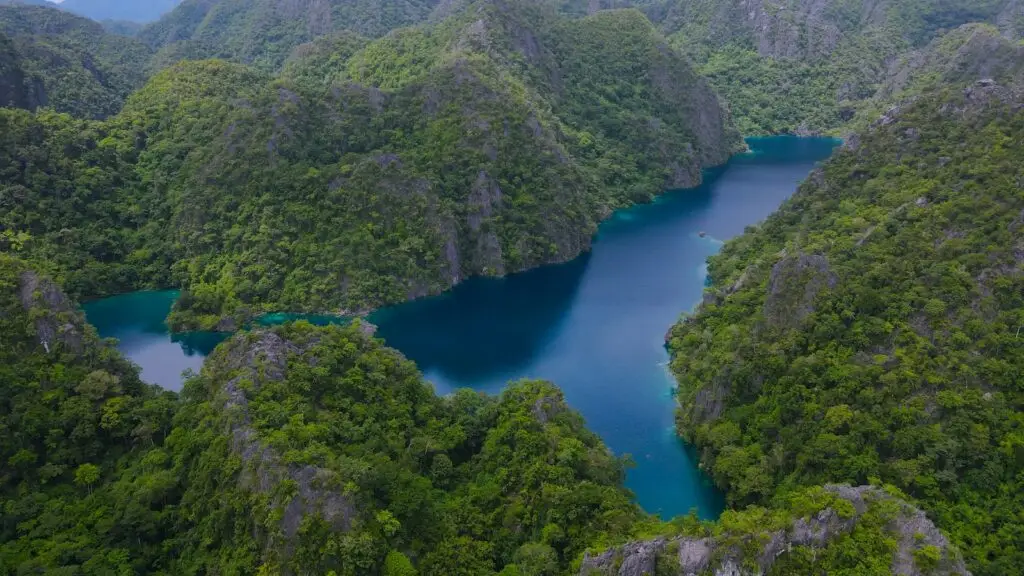
What sets it apart from the rest of Palawan is underwater. In September 1944 a US carrier strike sank a Japanese supply fleet in Coron Bay, and those ships are still there in warm, shallow, dive-able water. Above the surface, Coron Island holds brackish lakes ringed by karst that are unlike anything in El Nido.
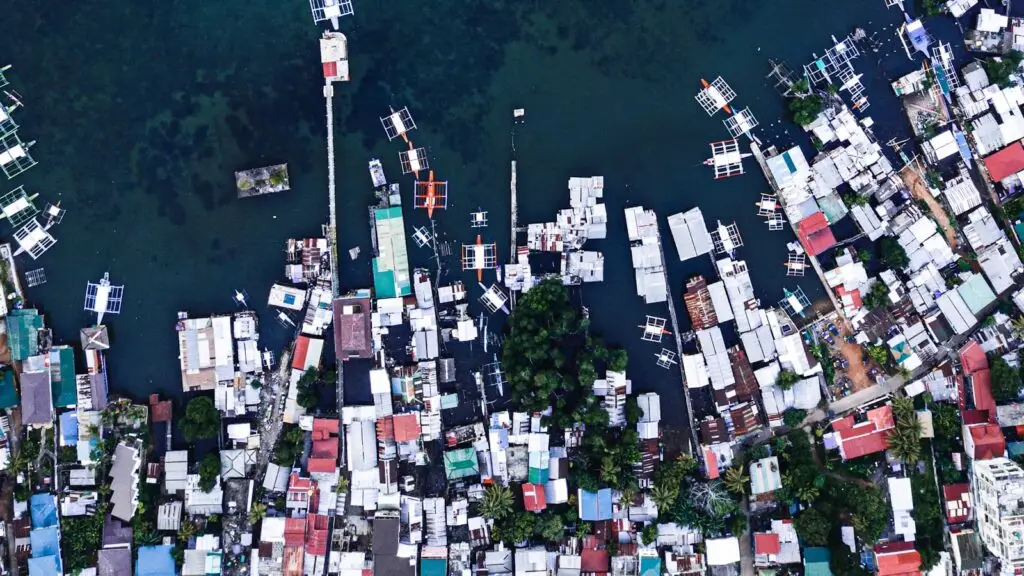
One expectation to reset early: Coron Town has no beach. It is a working port. Every beach you have seen in photographs is a boat ride away.
Getting to Coron
This changed in 2026. Since 29 March 2026 there is no direct Manila to Coron flight: all Cebgo and AirSWIFT services moved from NAIA to Clark. Coron is now reached by air from Clark, Cebu or El Nido, or by fast ferry from El Nido in about 3.5 to 4 hours.
Budget a PHP 200 environmental fee in cash on arrival. There is no ATM at Busuanga Airport.
| Route | Time | Best for |
|---|---|---|
| Clark to Busuanga (USU) | ~1h 10m, plus ~2h to reach Clark | Most travellers via Manila |
| Cebu to Busuanga (USU) | ~1h 20m | Anyone already in the Visayas |
| El Nido to Busuanga | ~40m | Combining both hubs fast |
| El Nido to Coron ferry | 3h 30m to 4h | The standard combination |
When to go
February is the driest month by a wide margin, at around 26 mm of rain across two rainy days. July is the wettest at 460 mm across twenty. Temperature barely moves all year, so you are choosing a month for rain, wind and whether the boats go out.
| Period | Conditions | Crowds and prices | Cancellation risk |
|---|---|---|---|
| December to March | Dry, calm seas. February driest. | High | Low |
| April | Hottest month, still dry | Peak crowds and prices | Low |
| May and October | Transition, genuinely variable | Low, the value windows | Moderate |
| June to September | Habagat. July wettest. | Lowest of the year | High to very high |
Island hopping and the lakes
Coron has no standardised tour lettering. Unlike El Nido, where the municipal government fixes four routes, “Tour A” means different things at different agencies here. Always book by the list of stops.
The package most first-timers want is the Ultimate or Super Ultimate, the only ones combining Kayangan Lake, Twin Lagoon and Barracuda Lake in a day. Joiner tours run PHP 1,200 to 2,200.
Fees work differently too: Coron charges per site, at each stop, typically PHP 100 to 300, with no combined pass. A five or six stop day carries roughly PHP 1,000 to 1,100 in entrance fees.
Booking a tour before you arrive
Coron’s tour letters are not standardised between operators. We compared itineraries across eight of them and no two matched, so always book by the stop list, never by the letter.
If you want a seat confirmed before you land, compare what is running on your dates, then check the stops against the table above.
IslaVisit earns a commission if you book through this link. It costs you nothing extra, and it does not change what we recommend.
The wreck diving
This is why divers choose Coron over El Nido, and it is not a close call. On 24 September 1944 a US carrier strike sank a Japanese supply fleet sheltering in Coron Bay. Seven wrecks are dived regularly.
What makes them unusual is the depth range. The Okikawa Maru (10 to 26 m) and Morazan (12 to 25 m) have real structure inside Open Water limits, so a newly certified diver can dive genuine WWII wrecks. The Irako, at 34 to 45 m, is technical territory.
Three-dive day trips run PHP 5,500 to 6,900 including boat, guide, lunch and usually gear.
Where to stay
Stay in Coron Town unless you dive or actively want seclusion. It is walking distance to the piers, the dive shops and the restaurants. Remember there is no swimming beach in town; beachfront means an island resort and boat transfers for everything.
| Tier | Per night | Notes |
|---|---|---|
| Hostel dorm | PHP 250 to 920 | Strong hostel scene; check score and review count together |
| Budget private | PHP 600 to 2,000 | Cheaper than the El Nido equivalent |
| Mid-range | PHP 2,300 to 4,600 | Where Coron offers the best value |
| Upper mid-range | PHP 5,000 to 7,500 | Design-led hotels, bay views |
| Island resort | PHP 10,000 upward | Many rates are full-board. Check what is included. |
Rates sampled in August, which is low season. Expect higher from December to April, and 50 to 100 percent above normal during Holy Week.
Hotels in Coron on the map
Use the map to see where hotels sit in and around Coron Town, and check availability for your dates. Four picks to start from:
- Avisala Hostel: the best-reviewed hostel bed in town
- Casa Mario’s: a well-reviewed mid-range hotel in town
- The Funny Lion: Coron’s best-known four-star hotel
- Sangat Island Dive Resort: an island resort close to the wrecks, for divers
The full list, with more options in every price band, is in our guide to where to stay in Coron.
IslaVisit earns a commission if you book through these links or the map. It costs you nothing extra, and it does not change what we recommend.
How many days do you need?
Three days
One Ultimate tour day, one flexible day, and a travel buffer. Enough to see the lakes, not enough to absorb a cancellation.
Four to five days
The sweet spot for non-divers. Ultimate tour, Island Escapade for the beaches, a spare day for weather, and an afternoon for Mount Tapyas and Maquinit Hot Springs.
Five to seven days, diving
Two or three dive days on the wrecks, one island-hopping day, and a full non-diving day before you fly. That last one is not optional: leave at least 18 hours after repetitive diving, and flights out are limited turboprop services.
Coron travel guide: common questions
Sources we checked: the end of the Manila service is confirmed in Cebu Pacific’s advisory; monthly rainfall from Climate-Data.org; wreck depths from Scuba Tech Philippines.
Is there a direct flight from Manila to Coron?
No. All Cebgo and AirSWIFT flights moved from Ninoy Aquino International Airport to Clark on 29 March 2026. Coron is now reached by air from Clark, Cebu or El Nido.
Does Coron Town have a beach?
No. The waterfront is a working port. Every beach in Coron is reached by boat on a day tour.
Which Coron tour should I book if I only have one day?
The Ultimate or Super Ultimate. They are the only packages combining Kayangan Lake, Twin Lagoon and Barracuda Lake in a single day.
What is the best month to visit Coron?
February. Around 26 mm of rain across two rainy days, the calmest seas and the best diving visibility of the year.
Can a beginner dive the Coron wrecks?
Yes. The Okikawa Maru and Morazan have substantial structure inside Open Water limits. The deeper wrecks and any real penetration need Advanced and wreck training.
Is there a combined entrance pass in Coron?
No. Each site collects its own fee on arrival, typically PHP 100 to 300. This differs from El Nido, which sells one pass valid ten days.
Coron or El Nido?
El Nido for lagoons, beaches, food and luxury. Coron for wreck diving, quieter boats and value. If you have ten days or more, do both.
Planning the rest of your trip?
Most Palawan trips pair Coron with El Nido. Our comparison covers which to pick and how to combine them, and the checklist handles documents, money and connectivity before you fly.
John Paul Medalla — Founder & Content Creator, IslaVisit
John Paul is the founder of IslaVisit, a Philippine travel resource dedicated to helping travelers plan trips around the Philippines. He researches destinations, travel logistics, budgets, and itineraries to create practical guides for international visitors. John Paul uses research tools and AI-assisted workflows to organize information efficiently while reviewing and refining content to ensure it is useful and accurate for travelers.
This guide was written with the help of AI tools for research and drafting, then reviewed, fact-checked and edited by a human before publishing. How we work →
More about IslaVisit →